Use Cases
Operational Efficiency in Personal Injury Law: AI Intake Workflows
Streamlining Client Intake with SalesCloser.ai
Integrating AI intake systems into your practice
SalesCloser.ai tools intake systems address operational challenges, enabling law firms to manage client interactions effectively while attorneys focus on case development.
Automating Routine Tasks Eliminates manual data entry in the intake process to reduce administrative overhead by 40% and ensure 100% accuracy in captured lead details.
Addressing Missed Opportunities Triggers automated callbacks and SMS if a call isn't answered in 30 seconds to prevent lead loss.
24/7 Availability Immediate responses around the clock; flags ongoing medical treatment inquiries as high priority.
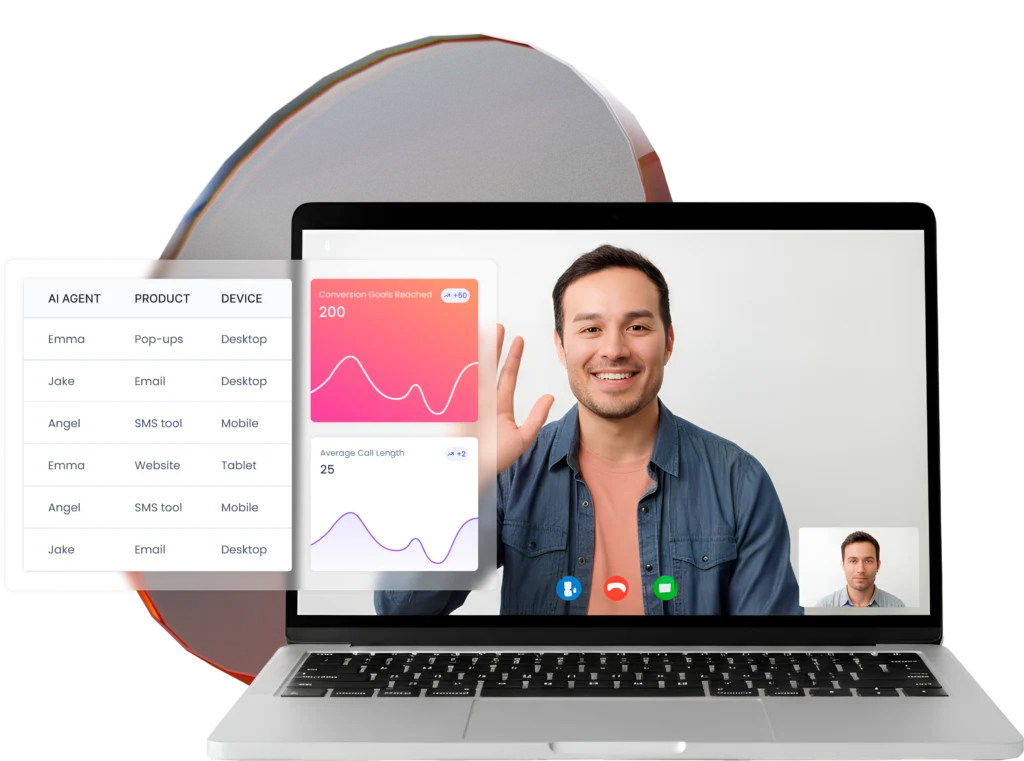
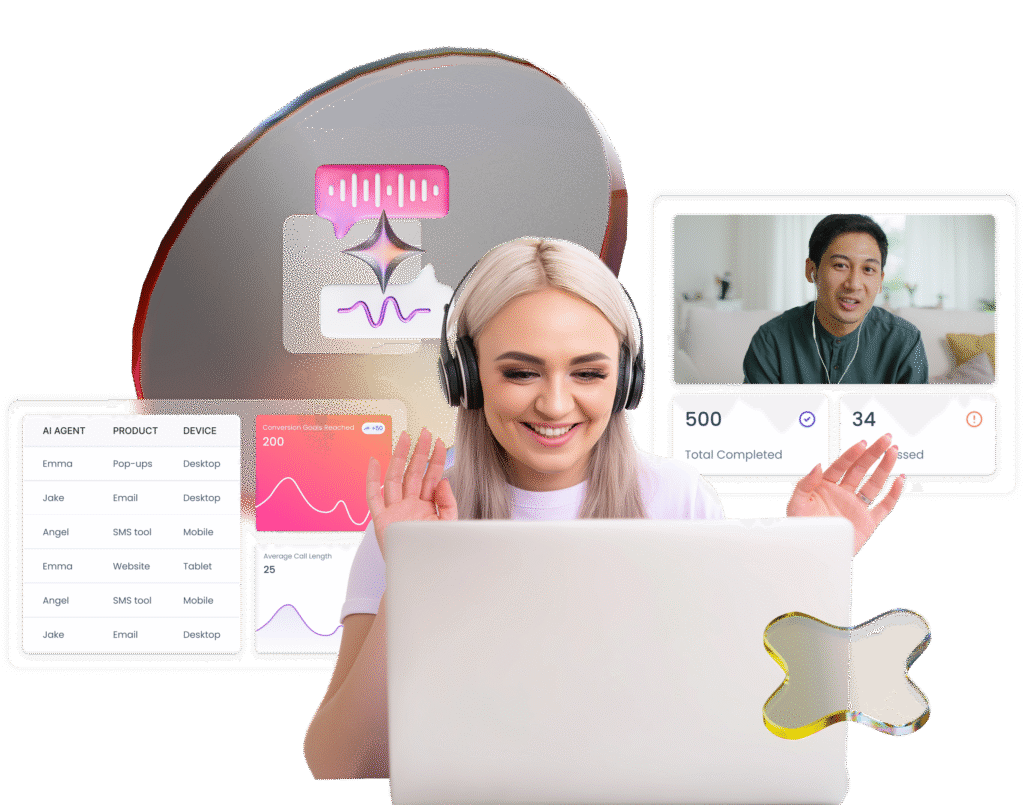
Handling Real-World Challenges: Failure Scenarios
Operational roadblocks stem from data errors and misclassifications.
Incorrect Data Entry Incorrect phone formats flag cases for manual review, delaying intake by at least 30 minutes.
Jurisdiction Misclassification Mismatched jurisdiction data halts routing, requiring manual verification and extending timelines.
Abandoned Forms Partial data triggers automated follow-up emails; no response leads to review for lost engagement.
Capabilites
Identifying and Mitigating Failures
Understanding risks to maintain operational integrity in personal injury law.
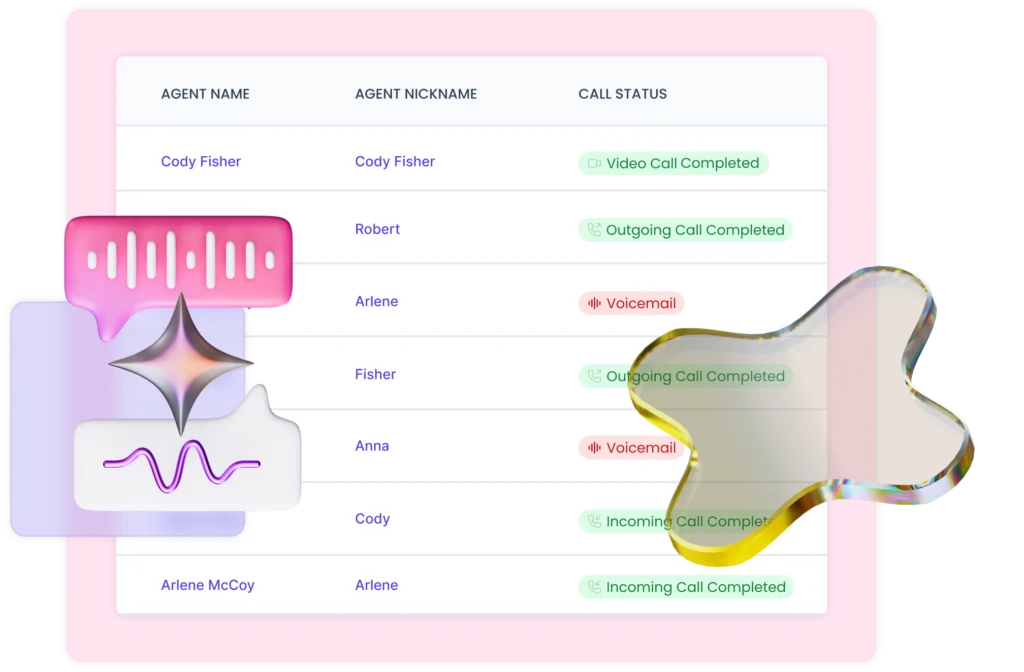
Failure Scenarios in AI Intake
Understanding failure points allows staff to intervene and maintain response times.
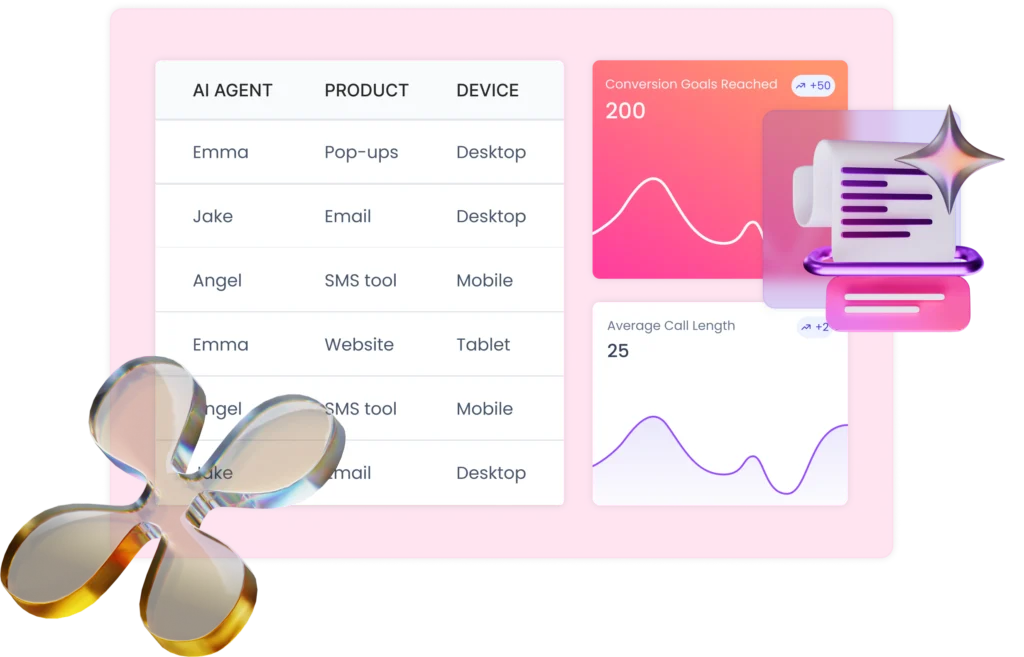
Incorrect Data Entry
Validating phone formats flags errors for manual intervention to correct information.
Jurisdiction Misclassification
Halts routing if mismatch detected, requiring manual verification before proceeding.
The workflow
Implementing AI for Case Intake
Step 01
Inquiry Reception
Captures info via phone/web and assigns a preliminary case score based on criteria.
Step 02
Automated Callback
Initiates SMS and callback requests for any unanswered calls within 30 seconds.
Step 03
Personalized Communication
Analyzes tone and sentiment to convey empathy and offer appropriate support.
Step 04
CMS Integration
Populates details into systems like Clio or MyCase for immediate attorney access.
Step 05
Continuous Adjustment
Firms examine workflows and identify failure points to ensure optimal performance.
Use Cases Exclusions
Exclusion Scenarios for AI Intake Systems
Scenarios where human discretion is preferred over automation.
Complex Legal Matters
Cases requiring nuanced legal analysis require direct human oversight.
High-Value Cases
Cases exceeding $1 million may require direct human engagement rather than automation.
Client Preference
Clients requesting human interaction for trust or confidentiality should bypass AI.
FAQ
FAQs
What are the key benefits of using AI?
How does the AI handle missed calls?
What data is essential for qualification?
Conclusion: Implementing AI for Case Intake
.