
Optimizing Call Center Efficiency with AI-Driven Routing
A Complete Guide
Getting Started with Optimizing Call Center Efficiency with AI-Driven Routing
Enhancing call center operations through AI-driven routing can significantly streamline interactions.
This guide explores how AI tools can optimize call routing, enabling agents to handle high-value prospects effectively while improving overall efficiency.
Understanding AI-Driven Routing
AI-driven routing assesses inquiry complexity and value. Platforms like SalesCloser AI integrate AI for efficient lead evaluation and appropriate resource matching.
Common Challenges and How SalesCloser AI Solves Them
Traditional Challenges:
AI-driven call routing helps manage incoming inquiries by assessing their complexity and potential value. Key challenges include accurately scoring leads and ensuring human agents are equipped for complex interactions.
SalesCloser AI Solutions:
Solutions from platforms like SalesCloser AI can address these challenges by integrating AI for efficient lead evaluation and routing.
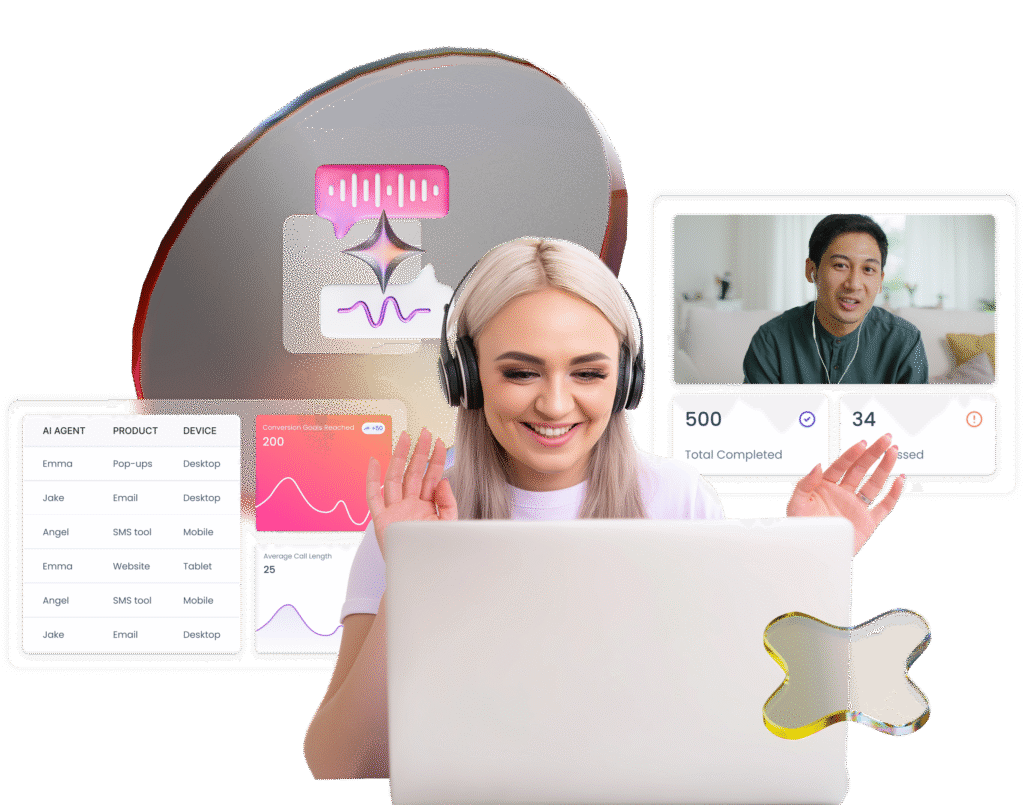
Unlock The Power Of AI Sales Conversations
Say goodbye to missed opportunities — let AI handle your leads while you focus on closing.
Who This Guide Is For
This guide is ideal for:
• Call center managers looking to enhance efficiency.
• Sales teams aiming to prioritize high-value leads.
• Customer service departments needing to streamline inquiry handling.
Setting Up Your AI-Driven Routing Workflow
Implementing an AI-driven routing workflow requires careful planning and execution to ensure optimal performance.
Step 1: Assess Incoming Calls
Evaluate incoming calls based on lead scoring metrics and historical data. Consider:
• The urgency of the inquiry.
• The potential value of the lead.
• Previous interactions with the call center.
Step 2: Implement AI Tools
Integrate AI tools like SalesCloser AI and Five9 for efficient lead evaluation. Consider:
• The types of inquiries AI can handle.
• Training the AI with historical data to improve accuracy.
• Ensuring seamless handoff to human agents for complex queries.
Step 3: Monitor Performance
Regularly assess the performance of your routing logic. For example:
• Track the efficiency rate—aim for a 70% improvement.
• Measure the response time for inquiries handled by AI versus human agents.
Step 4: Optimize Continuously
Continuously refine your AI routing system based on performance data.
Tip: Regularly update AI training models to adapt to new types of inquiries and changing customer behavior.
SalesCloser AI Solution: Efficient Routing
SalesCloser AI effectively routes leads based on real-time analysis, ensuring skilled agents focus on high-potential prospects.
Lead Evaluation
Key aspects of lead evaluation include:
• Scoring leads based on engagement.
• Assessing historical interactions to predict future behavior.
Complex Inquiry Management
SalesCloser AI excels in managing complex inquiries by funneling them to appropriate agents. For instance:
• High-value prospects are prioritized for immediate follow-up by experienced agents.
SalesCloser AI Solution: Measuring Performance with AI Tools
Utilize AI tools to track performance metrics effectively, ensuring the routing process is optimized.
Efficiency Rate
Measure the percentage of inquiries handled by AI versus human agents to gauge efficiency improvements.
Response Time
Analyze response time to identify bottlenecks and enhance customer satisfaction.
Lead Conversion Rate
Track lead conversion rates to evaluate the effectiveness of your AI routing.
Customer Satisfaction Score
Gather customer satisfaction scores post-interaction to refine your routing process further.
Strategic Implementation of AI Routing
A strategic approach to AI routing enhances both customer experience and operational efficiency.
Define Clear Objectives
Establish specific goals for your AI routing system, such as reducing response times or increasing lead conversions.
Train Your AI Regularly
Ensure that your AI tools are trained with updated data to maintain accuracy in routing.
Incorporate Feedback Loops
Implement mechanisms for continuous feedback on AI performance to facilitate ongoing improvements.
Step Into The Future Of Closing
SalesCloser AI empowers your team with AI-driven insights to convert more prospects into customers.

Real-World Application of AI-Driven Routing
Scenario 1: Retail Call Center
A retail call center utilizes AI to handle order inquiries, allowing agents to focus on complex customer service issues.

Scenario 2: Tech Support
In a tech support setting, AI evaluates technical inquiries and routes them to the most qualified agents, enhancing resolution times.

Scenario 3: Financial Services
A financial services company employs AI to assess the complexity of financial inquiries, ensuring expert agents manage high-stakes conversations.

Best Practices
Best Practice 1: Prioritize High-Value Leads
Focus your routing on high-value prospects to maximize potential returns on investment.
Best Practice 2: Utilize Data Analytics
Leverage data analytics to refine lead scoring models and optimize AI performance.
Best Practice 3: Regularly Review Workflows
Conduct periodic reviews of your AI routing workflows to ensure they remain effective and relevant.
Summary
Implementing AI-driven routing can significantly enhance the efficiency and effectiveness of call center operations.
Key Takeaways:
• AI tools can manage simple inquiries, freeing agents for complex interactions.
• Effective routing improves operational efficiency by up to 70%.
• Continuous monitoring and optimization are essential for sustained success.