
Optimizing Sales Processes with AI and Human Collaboration
A Complete Guide
Getting Started with Optimizing Sales Processes with AI and Human Collaboration
The SalesCloser AI assistant revolutionizes call assignment for sales teams.
This guide explores how a hybrid approach of AI and human representatives enhances productivity and improves scheduling efficiency in sales operations.

Understanding the Hybrid Approach
Inefficient call handling wastes resources. SalesCloser streamlines call routing for routine inquiries, allowing human reps to focus on high-value discussions while AI assists with scheduling.
Common Challenges and How SalesCloser.AI Solves Them
Traditional Challenges:
This system addresses common challenges in sales operations, such as inefficient call handling and resource allocation.
SalesCloser.AI Solutions:
SalesCloser solutions include:
• Streamlined call routing for routine inquiries.
• Enhanced focus on high-value discussions with human reps.
• Improved productivity through AI-assisted scheduling.
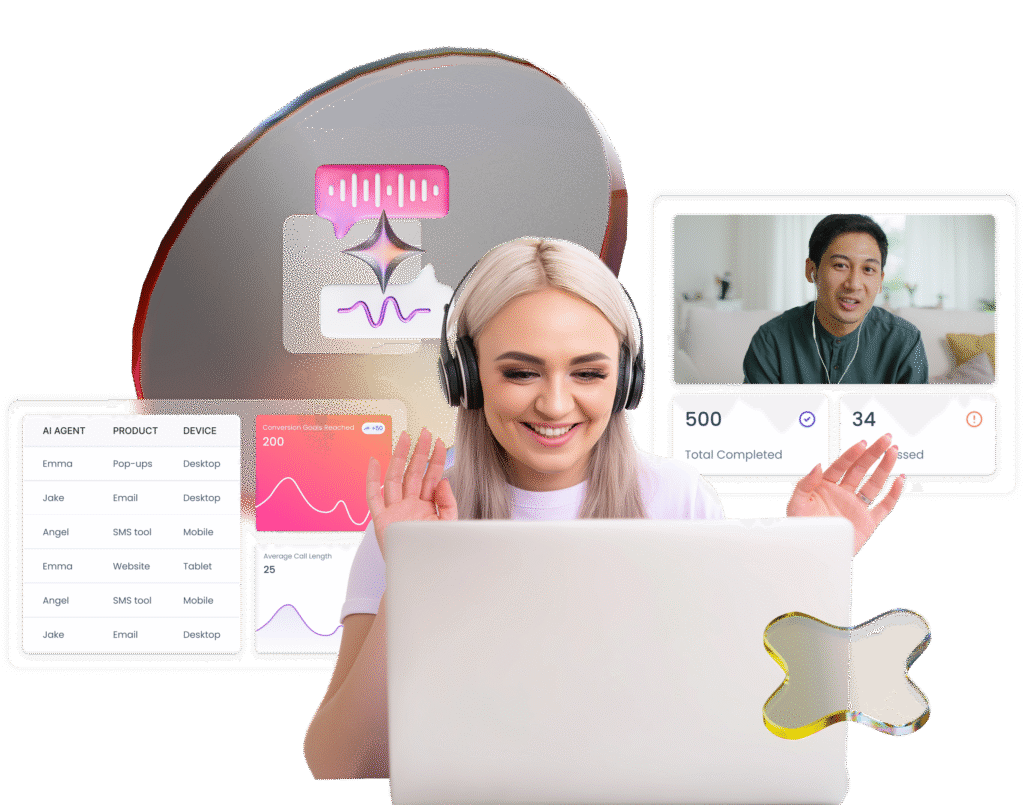
Unlock The Power Of AI Sales Conversations
Say goodbye to missed opportunities — let AI handle your leads while you focus on closing.
Who This Guide Is For
This guide is beneficial for:
• Sales Teams
• Customer Support Teams
• Business Development Units
• Marketing Departments
Setting Up Your Sales Workflow
Implementing a hybrid AI-human workflow requires careful planning and execution.
Step 1: Define Your Objectives
Identify key goals for integrating AI in your sales process. Considerations include:
• What tasks can AI handle?
• Which discussions require human expertise?
• Metrics for success.
Step 2: Choose the Right AI Solutions
Select AI tools that align with your objectives. Important factors include:
• Compatibility with existing systems.
• Scalability for future growth.
• User-friendly interfaces for team adoption.
Step 3: Train Your AI System
Develop a training protocol for your AI system. Examples include:
• Using historical sales data for machine learning.
• Conducting role-playing scenarios.
• Iterative feedback from sales representatives.
Step 4: Monitor and Adjust
Regularly assess the performance of your hybrid system. Tip: Schedule bi-weekly reviews to discuss effectiveness and make necessary adjustments.
SalesCloser.AI Solution: SalesCloser AI Features
SalesCloser provides a range of features to enhance call assignments and scheduling.
Automated Call Routing
This feature automates the assignment of calls, ensuring:
• Faster response times for customers.
• Efficient use of human resources.
• Increased overall productivity.
Integrated Scheduling Tools
These tools streamline appointment management, allowing:
• Quick scheduling adjustments.
• Real-time availability updates.
Example: Integrating with calendars to avoid double bookings.
SalesCloser.AI Solution: Measuring Performance
Effective measurement of the system’s performance is crucial.
Conversion Rates
Tracking conversion rates provides insights into sales effectiveness and guides strategic adjustments.
Response Times
Monitoring response times helps ensure timely customer interactions and enhances satisfaction.
Call Volume
Understanding call volume assists in resource allocation and identifying peak times for sales activity.
Customer Feedback
Collecting customer feedback is vital for continuous improvement and refining the sales approach.
Strategic Implementation
A strategic approach ensures successful integration of AI in sales processes.
Ensure Compliance
Adhere to regulations and best practices while implementing AI systems to build trust and credibility.
Monitor AI Bias
Regularly review AI decisions to prevent biases that could impact sales outcomes negatively.
Continuous Improvement
Establish mechanisms for ongoing training and updates to the AI system based on evolving market conditions.
Step Into The Future Of Closing
SalesCloser.ai empowers your team with AI-driven insights to convert more prospects into customers.

Real-World Applications
Scenario 1: E-commerce Sales
An e-commerce company uses AI to handle initial inquiries, directing complex questions to human reps, resulting in a 20% increase in conversion.
Scenario 2: Lead Qualification
A B2B organization employs AI to qualify leads, freeing up human agents for high-value conversations and improving overall efficiency.
Scenario 3: Customer Retention
A customer service team integrates AI for routine support tasks, enhancing response times and customer satisfaction scores.
Best Practices
Best Practice 1: Regular Training
Ensure that both AI and human teams receive regular training to stay updated with the latest tools and techniques.
Best Practice 2: Feedback Loops
Implement feedback loops to continuously improve the AI algorithms and sales strategies based on real-world performance.
Best Practice 3: Clear Communication
Maintain clear communication between AI and human teams to ensure seamless collaboration and effective customer interactions.
Summary
Integrating AI with human sales reps can significantly enhance productivity and streamline sales workflows.
Key Takeaways:
• A hybrid approach optimally balances efficiency and personal touch.
• Regular monitoring and adjustments are crucial for success.
• Training and feedback loops improve overall performance.