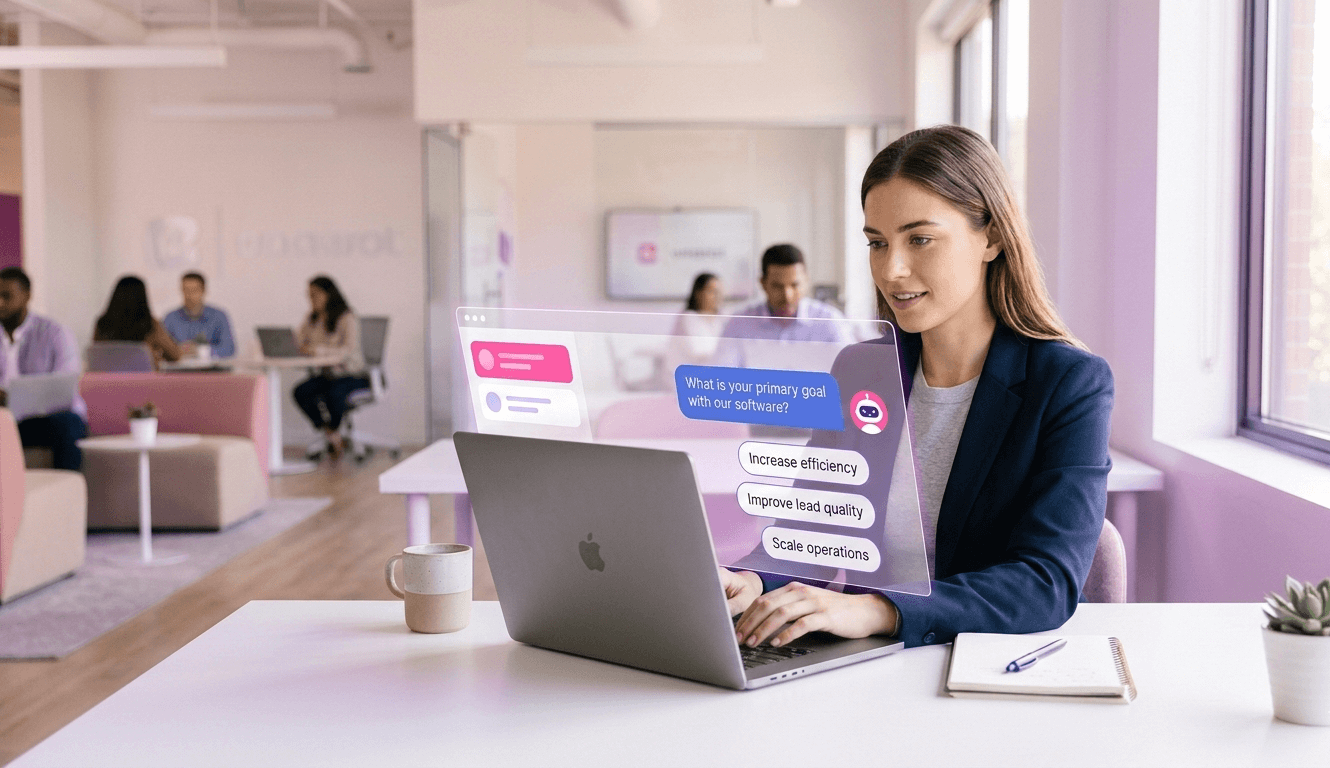
“Revolutionize your CX with Intelligent Call Handling Software. Automate routing, recognize intent, and resolve issues 24/7 without the hold times.”
The phone isn’t dead. Despite the rise of chatbots, apps, and social media DMs, customers still reach for the phone when they need something done fast. However, the experience on the other end of the line has barely changed in thirty years. We’ve all been trapped in “IVR Hell,” shouting “representative” at a robotic voice that doesn’t understand us, only to be placed on hold for twenty minutes.
That era is ending. We are moving away from simple routing and entering the age of intelligent call handling software. This isn’t just about putting a caller in a queue; it’s about understanding, acting, and resolving issues without a human ever picking up the phone.
In this guide, we will explore how AI-powered call routing and customer intent recognition are transforming the inbound call experience. We will also look at how SalesCloser.ai is leading this charge, helping businesses automate their front lines while actually making customers happier.
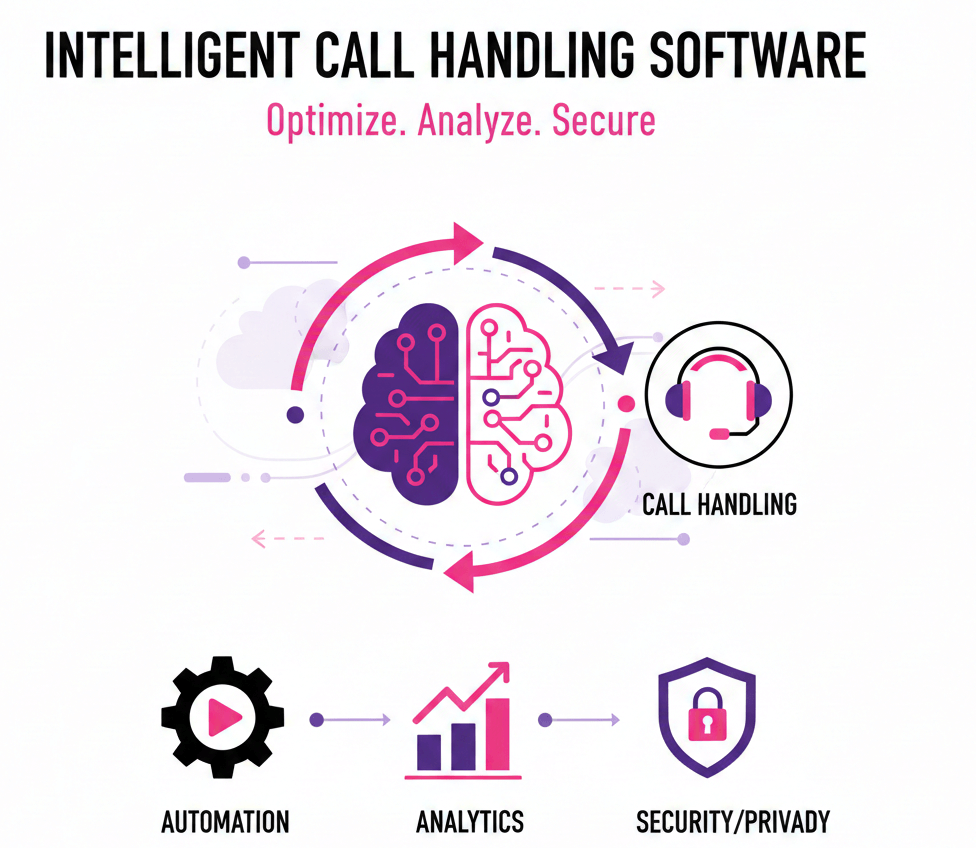
What Exactly is Intelligent Call Handling?
Most people confuse “intelligent call handling” with “automated call distribution” (ACD). They are not the same thing.
The Old Way: Automated Call Distribution (ACD)
Traditional systems are basically digital switchboards. A caller hears a menu: “Press 1 for Sales, Press 2 for Support.” The system then looks for an available human agent in that department. If no one is free, the caller waits. The system doesn’t know why the person is calling beyond a broad category. It certainly can’t solve the problem itself.
The New Way: Intelligent Call Handling
Intelligent call-handling software uses Voice AI to act as a digital employee in customer service. Instead of a menu, the system asks, “How can I help you today?” Using customer intent recognition, it understands the specific request.
It doesn’t just route the call; it processes it. It connects to your CRM, checks the caller’s history, and performs tasks. If a caller wants to “reschedule my 3 PM appointment,” the AI doesn’t send them to a receptionist. It accesses the calendar, finds a new slot, and confirms the change—all in seconds.
The Core Components of an Intelligent System
To move beyond simple routing, a system needs three specific capabilities. Without these, you just have a fancy answering machine.
1. Real-Time Intent Recognition
Traditional systems rely on keywords or DTMF (keypad) tones. Intelligent systems use Natural Language Processing (NLP). They understand context, slang, and even emotion. If a caller says, “I’m frustrated because my package hasn’t arrived,” the AI identifies both the intent (tracking a package) and the sentiment (frustration). This allows the system to prioritize the call or adjust its tone accordingly.
2. CRM and Data Integration
An AI phone system is only as smart as the data it can access. Intelligent call-handling software integrates directly with your existing tech stack (Salesforce, HubSpot, Zendesk, etc.).
- Contextual Greeting: “Hi Sarah, are you calling about your order from yesterday?”
- Personalized Routing: If a VIP client calls, the system recognizes their number and handles them with a specific protocol.
- Data Updates: After the call, the AI automatically logs a summary in the CRM.
3. Execution (The “Do” Phase)
This is where inbound call automation software earns its keep. Most call centers focus on “talk time.” Intelligent systems focus on “resolution.” If a customer calls a dental office to book a cleaning, the AI shouldn’t just take a message; it should schedule the cleaning. It should see the available slots in the practice management software and book the appointment. This is the difference between a tool that manages calls and a tool that manages business.
Why Your Business Needs Inbound Call Automation Software
If you run a business that handles high volumes of calls, you know the “Leaky Bucket” problem. Every missed call, long hold time, or dropped transfer is a lost opportunity.
Drastically Improve First Call Resolution (FCR)
First call resolution is the holy grail of customer service. Customers hate calling back. When you use an AI phone system, the system handles the request immediately. There is no “let me transfer you” or “let me look that up and call you back.” The AI has all the data it needs to finish the job on the first attempt.
Scaling Without Adding Headroom
Hiring, training, and retaining call center staff is expensive. During peak seasons or marketing pushes, call volumes spike. Traditionally, this leads to long wait times. Virtual call center software powered by AI scales instantly. It can handle 10 calls or 10,000 calls simultaneously. You no longer have to pay for “idle time” during slow hours or lose business during busy ones.
Freeing Your Humans for High-Value Work
Your human staff shouldn’t spend their day answering “What are your hours?” or “Where is my order?” These are repetitive, low-value tasks. By using automated call processing, you let the AI handle the “boring” stuff. This allows your team to focus on complex problem-solving, high-ticket sales, and building deep client relationships.
Introducing SalesCloser.ai: The AI Agent That Sells While You Sleep
Many companies promise “smart” solutions, but most of those tools are just basic filters sitting atop outdated technology. SalesCloser.ai is different. It provides a full-scale AI sales agent that performs like your highest-achieving employee. It doesn’t just “handle” calls; it drives revenue.
This software functions as a proactive member of your sales team. It understands that every inbound call is a potential deal. By using customer intent recognition, the AI agent identifies the best path to turn a curious caller into a committed buyer. It doesn’t just provide information—it guides the conversation toward a closing goal.
Why SalesCloser.ai Changes the Game
SalesCloser.ai offers a level of sophistication that goes far beyond standard innovative call management. It provides a human-like voice experience that removes the friction and frustration of traditional automated systems. Here is how it improves your sales performance explicitly:
- Round-the-Clock Lead Conversion: Your best leads might call after your office closes. While your competitors let those calls go to voicemail, SalesCloser.ai answers at 3 AM with the same energy and persuasive power as it does at 10 AM. It ensures you never lose a hot prospect to a time zone difference or a late-night search.
- Instant Lead Qualification: Not every caller is a fit for your business. The AI agent asks the right discovery questions to qualify leads in real-time. It can separate high-value opportunities from general inquiries, ensuring your human closers only spend time on the most promising deals.
- Seamless Execution Across Platforms: This AI phone system does more than talk. It can book appointments, process secure payments, and update records across your entire tech stack simultaneously. Because it connects to your CRM, it knows exactly where the prospect is in the sales funnel and moves them to the next stage instantly.
- Global Communication: You can scale your business globally without hiring dozens of international staff. The AI agent communicates with customers in their preferred language. This removes barriers and lets you close deals in markets you couldn’t serve before.
How SalesCloser.ai Wins in the Real World
To see the power of inbound call automation software, imagine a high-growth SaaS company or a busy professional service firm. During a significant marketing campaign, the phones start ringing. A human team can only handle one conversation at a time. This creates a bottleneck. When a prospect hits a busy signal or sits on hold, their interest cools down. They might even head back to a search engine to find a competitor.
With SalesCloser.ai, that bottleneck disappears. Every call gets an immediate response. The AI agent doesn’t just answer questions; it actively sells. If a prospect calls to ask about pricing, the AI recognizes the intent, explains the value proposition, and secures a demo or a sign-up right then and there.
The customer wins because they get immediate service without the “salesy” pressure of a poorly trained bot. The business wins because its sales floor just gained infinite capacity. You stop paying for “missed opportunities” and start seeing a higher ROI on every lead you generate.
The Impact on Customer Experience (CX)
We often think of automation as something that makes the customer experience “worse” but saves the company money. Intelligent call handling flips that logic.
No More Wait Times
The number one complaint from customers is waiting on hold. By using AI-powered call routing and automated agents, hold times drop to zero. This immediately boosts your Net Promoter Score (NPS) and brand loyalty.
Consistency is Key
Humans have bad days. They get tired, they get annoyed, and they make mistakes. An AI agent is perfectly consistent. It follows every protocol, uses the correct branding, and never forgets to ask for an email address or offer a follow-up service.
Empowerment Through Self-Service
Modern customers actually prefer self-service options—as long as they work. When a customer can resolve their issue via a quick phone conversation with an AI, they feel empowered. They didn’t have to wait for a human to do something simple for them.
The Bottom Line
The transition to intelligent call handling software is no longer a luxury; it is a necessity for staying competitive. As customer expectations rise, the tolerance for hold times and clunky routing menus will drop to zero.
By implementing innovative call management and inbound call automation software, you aren’t just saving money on overhead. You are creating a frictionless experience that respects your customers’ time.
Whether you are looking to improve first call resolution or simply want to ensure your business is “always on,” AI is the answer. Tools like SalesCloser.ai are proving that the future of customer service isn’t about choosing between humans and machines—it’s about using the best of both to create a world-class experience.
Frequently Asked Questions (FAQs)
What is the difference between IVR and intelligent call handling?
IVR (Interactive Voice Response) is a menu-based system (Press 1 for Sales). It is a routing tool. Intelligent call handling uses AI to understand spoken language and perform tasks, often resolving the issue without a human agent.
Will customers get frustrated talking to an AI?
Only if the AI is bad. Old-fashioned bots that don’t understand context are frustrating. Modern voice AI for customer service, like SalesCloser.ai, sounds natural and is highly effective. Customers generally prefer a helpful AI over a 20-minute hold for a human.
Can intelligent call handling software integrate with my current CRM?
Yes. Most leading systems, including SalesCloser.ai, integrate with major CRMs like Salesforce, HubSpot, and Zoho. This allows the AI to view customer history and update records in real time.
Is this only for large call centers?
Not at all. While large enterprises benefit from the scale, small businesses benefit even more from the “extra pair of hands.” It allows a small team to appear much larger and ensures they never miss a lead.
Does this replace human employees?
It replaces the tasks that humans find repetitive and draining. This allows your team to focus on the work that requires empathy, complex negotiation, and human intuition.