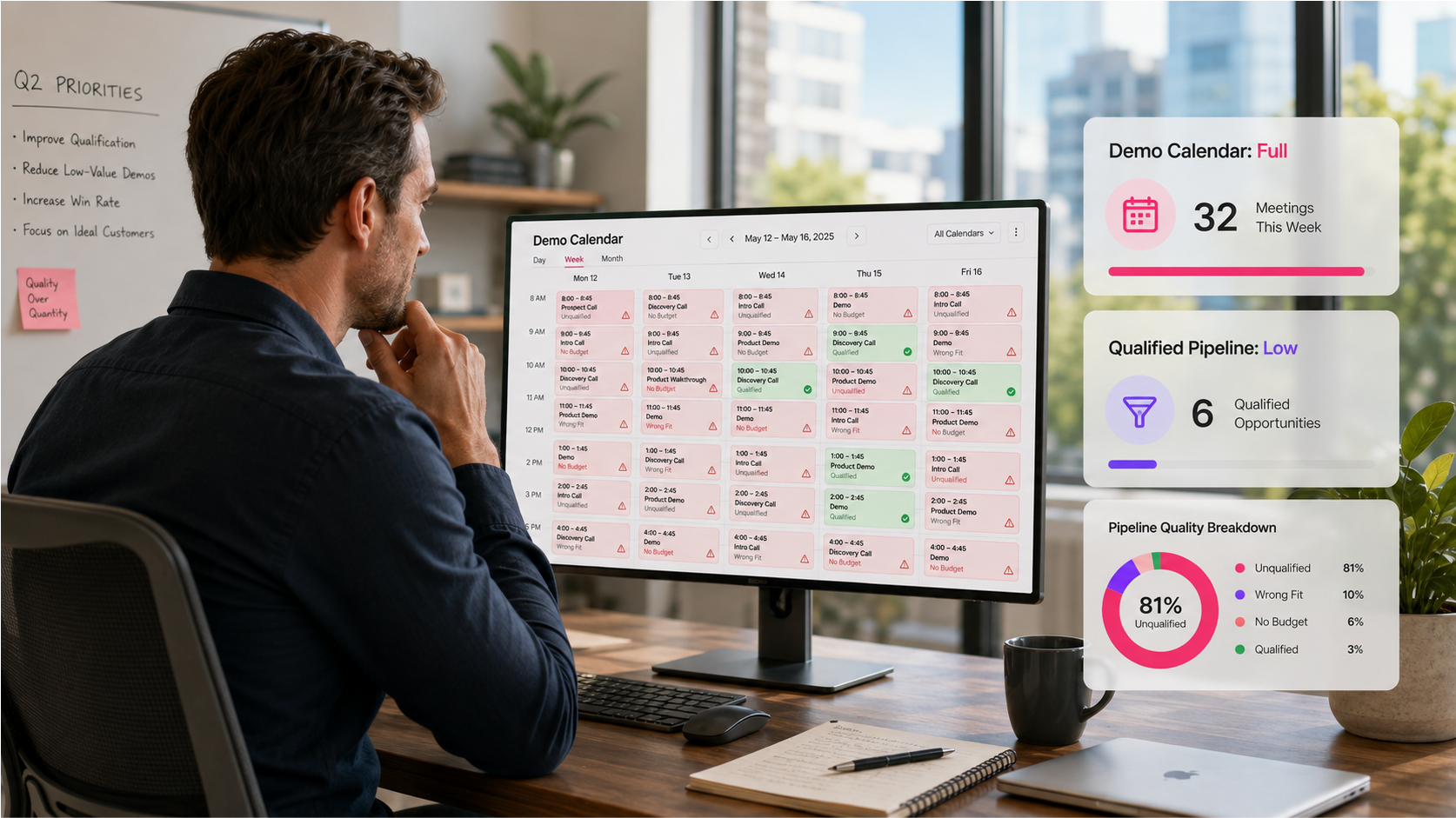
“AI-driven CRM integration strategies: boost sales, personalize interactions, gain data insights.”
The modern business landscape demands agility and precision in customer engagement. Artificial intelligence (AI) has moved from a futuristic concept to a practical cornerstone of successful operations, particularly within Customer Relationship Management (CRM) systems.
Integrating AI into CRM isn’t just an upgrade; it’s a fundamental shift that streamlines sales processes, unlocks unprecedented efficiency, and cultivates deeply personalized customer experiences. This comprehensive guide will transform your approach to AI-CRM integration, focusing not only on benefits but also on the strategic execution, change management, and regulatory compliance required to achieve superior sales performance. Innovative solutions like SalesCloser AI, with its advanced suite of intelligent AI agents, are essential tools for businesses aiming to revolutionize their sales performance.
The Power of AI in CRM: Ushering in a New Era for Sales Teams
AI is fundamentally reshaping the dynamics of how businesses connect with their clientele. By automating routine tasks, enhancing data precision, and providing richer insights for informed decision-making, AI empowers sales teams to focus on the core of their mission: nurturing meaningful relationships and successfully closing deals. This technological evolution marks a significant departure from traditional sales methodologies, ushering in an era where intelligence and automation drive superior results.
Boosting Operational Efficiency Through AI
- Automated Data Entry: Minimizing Errors and Maximizing Time Savings: The tedious and often error-prone manual data entry process can significantly drain sales teams’ time and resources. AI algorithms can automatically capture and input crucial customer data from various touchpoints, including emails, calls, and website interactions. This reduces the likelihood of human error and frees up valuable time for sales professionals to engage in more strategic activities, such as building rapport with prospects and developing tailored sales strategies.
- Intelligent Task Management: Ensuring Seamless Workflow and Follow-Up: Keeping track of numerous tasks, scheduling follow-ups, and ensuring timely updates across the sales pipeline can be a logistical challenge. AI-powered CRM systems can intelligently manage these tasks by automating reminders, scheduling appointments, and updating records in real-time. This ensures no opportunity is missed, and sales teams can maintain a proactive and organized approach to their workflow, leading to improved productivity and smoother inter-departmental handoffs.
- Optimized Workflows: Facilitating Smooth Transitions and Collaboration: Sales processes often involve multiple stages and handoffs between teams or individuals. AI can analyze these workflows, identify bottlenecks, and suggest optimizations to streamline the process. By automating transitions and providing relevant information at each stage, AI ensures a seamless flow of information and tasks, fostering better collaboration and reducing delays that can hinder sales progress.
Unlocking Data-Driven Insights for Strategic Advantage
- Predictive Analytics: Forecasting Trends and Anticipating Customer Behavior: One of the most powerful capabilities of AI in CRM is its ability to analyze vast amounts of historical data to identify patterns and predict future trends. By leveraging predictive analytics, sales teams can anticipate customer needs, forecast demand, and identify potential opportunities or risks. This foresight allows for more strategic planning, better resource allocation, and proactive customer engagement at opportune moments.
- Intelligent Lead Scoring: Prioritizing High-Potential Opportunities – Not All Leads Are Equal. AI algorithms can analyze various data points, including demographics, engagement history, and behavioral patterns, to score leads based on their likelihood of conversion. This intelligent lead scoring system enables sales teams to focus on the most promising opportunities, maximizing their chances of success and improving overall conversion rates. By prioritizing high-potential leads, businesses can optimize their sales resources and achieve a higher return on investment.
- Personalized Offers: Tailoring Solutions to Individual Customer Needs: In today’s market, generic sales pitches are increasingly ineffective. AI can analyze customer data, including past purchases, browsing history, and preferences, to predict their needs and preferences. This enables sales teams to create highly personalized offers and recommendations, increasing the relevance of their interactions and significantly improving the likelihood of closing deals. Businesses can build stronger relationships and foster greater customer loyalty by understanding each customer on a deeper level.
Phase 1: Strategic Planning and Defining Success
Before any technology rollout, a clear roadmap and measurable goals are crucial.
1. Setting Clear Project Objectives (KPIs)
Successful AI integration starts with defining what success looks like. Move beyond vague goals like “improving efficiency” and set Specific, Measurable, Achievable, Relevant, and Time-bound (SMART) Key Performance Indicators (KPIs).
| Area | Example KPI |
| Sales Efficiency | Reduce manual data entry time by 30% within 6 months. |
| Lead Quality | Increase the AI-qualified lead-to-opportunity conversion rate by 15%. |
| Customer Retention | Improve customer satisfaction (CSAT) scores by 5 points post-integration. |
2. The Build vs. Buy Decision
A key strategic choice is whether to integrate existing platforms or build custom models. For most sales organizations, opting for powerful, specialized platforms is the fastest path to ROI.
- Buying (Integration): Platforms like SalesCloser AI offer pre-trained, specialized AI Agents (e.g., for outbound calling, discovery calls) designed for immediate, seamless integration with major CRM systems. This saves significant development time and cost.
- Building (Custom Models): Reserved for highly proprietary data sets or unique, complex forecasting needs that off-the-shelf solutions cannot address.

Strategy 1: Optimizing Sales Workflows with Automation
AI is fundamentally reshaping the dynamics of how businesses connect with their clientele. By automating routine tasks and enhancing data precision, AI empowers sales teams to focus on the core of their mission: nurturing meaningful relationships and successfully closing deals.
- Automated Data Entry: AI algorithms can automatically capture and input crucial customer data from various touchpoints (emails, calls, website interactions). This reduces the likelihood of human error and frees up valuable time.
- Intelligent Task Management: AI-powered CRM systems can intelligently manage tasks by automating reminders, scheduling appointments, and ensuring timely updates across the sales pipeline.
SalesCloser AI in Action: The Intelligent AI Sales Agent
SalesCloser AI features sophisticated AI agents that act as virtual sales assistants. These agents are designed to handle crucial initial interactions, including making outbound calls, scheduling introductory meetings, and performing preliminary lead qualification. This automation dramatically reduces the workload on your human representatives, allowing them to focus solely on engaging with warmer, more qualified prospects.
Strategy 2: Utilizing Predictive AI for Strategic Foresight
One of the most powerful capabilities of AI in CRM is its ability to analyze vast amounts of historical data to identify patterns and predict future trends.
- Predictive Analytics: By leveraging predictive models, sales teams can anticipate customer needs, forecast demand, and identify potential opportunities or risks. This foresight enables more strategic planning and more effective resource allocation.
- Intelligent Lead Scoring: Not all leads are equal. AI algorithms analyze data points, such as demographics, engagement history, and behavior, to score leads based on their likelihood of conversion. This system enables sales teams to focus on the most promising opportunities, maximizing success and improving conversion rates.
- Advanced Data Analysis: AI can sift through massive amounts of customer data to uncover hidden patterns, correlations, and insights that human analysts might overlook, informing more informed strategic decision-making.
Strategy 3: Scaling Personalization Across the Customer Journey
In today’s market, generic sales pitches are increasingly ineffective. AI is the key to delivering hyper-personalization at scale.
- Customized Communication: AI empowers businesses to deliver highly personalized messages across various channels. By understanding customer preferences, AI ensures every communication is relevant, timely, and engaging.
- Sentiment Analysis: AI-powered tools can analyze text and voice data to gauge customer emotions, enabling sales and support teams to identify and address any concerns or negative feedback proactively.
- Round-the-Clock Availability: AI-powered chatbots integrated with CRM systems can provide 24/7 support, answering frequently asked questions and efficiently guiding customers through the sales process.
SalesCloser AI in Action: Personalized Discovery Calls
SalesCloser AI’s agents excel at conducting personalized discovery calls. Utilizing natural language processing, they engage prospects in meaningful conversations, adapting their questioning based on the prospect’s responses. This uncovers specific needs and pain points that your human sales team can leverage to craft highly tailored proposals and presentations.
Phase 2: Implementation Roadmap and Risk Mitigation
A successful deployment minimizes disruption and maximizes long-term stability.
1. Integrate AI Incrementally
Avoid rushing into a full-scale AI implementation. The most effective approach is to adopt an incremental integration strategy:
- Pilot: Start with a small, contained project (e.g., using SalesCloser AI’s lead qualification agent on a specific territory).
- Evaluate: Measure the pilot’s performance against your predefined KPIs.
- Iterate: Refine the AI model or process based on results.
- Expand: Roll out the solution gradually across the organization.
This strategy lowers risk and ensures well-informed decisions based on actual outcomes.
2. Vendor Evaluation Checklist
When choosing an AI partner, ensure the technology is both powerful and compatible.
- Seamless Integration: Does the tool effortlessly communicate with your existing CRM infrastructure (e.g., HubSpot, Salesforce, Pipedrive) and other business systems?
- Data Security: What certifications and protocols are in place to secure sensitive customer data?
- Model Training and Maintenance: Does the vendor provide ongoing support for model refinement, ensuring the AI continues to deliver value as market conditions change?
Phase 3: The Human, Ethical, and Regulatory Dimension (The Authority Gap)
To be a market authority, you must address the non-technical challenges of AI deployment, which often determine long-term success.
1. Organizational Change Management and Employee Buy-In
Successfully integrating AI requires more than just technology—it requires people.
- Invest in Training: Provide in-depth training on how to use the AI tools efficiently and, more importantly, how to leverage the AI-driven insights for higher-value sales activities.
- Cultivate a Positive Mindset: Address the fear of job displacement by reframing the AI tool as a strategic partner that eliminates tedious tasks (such as data entry and cold qualification) and enables sales professionals to focus on relationship-building and complex sales closing.
- Update Roles: Clearly define new responsibilities, such as the need for a Sales Operations Analyst to monitor and manage the performance and output of the latest AI models.
2. Data Governance and Compliance
Handling valuable customer data means adhering to strict legal and ethical guidelines. This is non-negotiable for enterprise integration.
- Data Privacy & Compliance: Ensure all AI-driven CRM processes comply with major data privacy regulations, including the General Data Protection Regulation (GDPR) and the California Consumer Privacy Act (CCPA), especially when handling sensitive customer information.
- Data Hygiene: Prioritize rigorous data quality and management. The analytical capabilities of AI systems are limited by the data they process. Begin by cleaning and organizing your data to eliminate inconsistencies, ensuring that algorithms operate at peak performance and generate accurate, valuable insights.
- Ethical AI and Bias Monitoring: Implement procedures to monitor AI models for algorithmic bias. This ensures that the AI does not discriminate against specific customer segments, thereby preserving the fairness and reputation of your sales process.
Cultivating Personalized Customer Interactions at Scale
- Customized Communication: Delivering Relevant and Engaging Messages: Generic communication can often be ignored or perceived as impersonal. AI empowers businesses to deliver highly personalized messages across various channels, including email, social media, and in-app notifications. By analyzing customer data and understanding their preferences, AI ensures that every communication is relevant, timely, and engaging, fostering stronger connections and improving customer satisfaction. This level of personalization can significantly enhance the customer experience and drive higher engagement rates.
- Sentiment Analysis: Proactively Addressing Customer Emotions and Concerns: Understanding the emotional tone behind customer interactions can provide valuable insights into their satisfaction levels and potential issues. AI-powered sentiment analysis tools can analyze text and voice data to gauge customer emotions, enabling sales and support teams to identify and address any concerns or negative feedback proactively. This proactive approach can help mitigate potential problems, improve customer retention, and build stronger, more positive relationships.
- Round-the-Clock Availability: Providing Instant Support and Resolving Queries Efficiently. In today’s always-on world, customers expect immediate responses to their inquiries. AI-powered chatbots integrated with CRM systems can provide 24/7 support, answer frequently asked questions, resolve common issues, and guide customers through the sales process. Instant availability enhances customer satisfaction and frees human agents to focus on more complex or high-value interactions, improving overall efficiency and responsiveness.
Strategic Steps for Seamless AI Integration into Your CRM
To fully leverage the transformative power of AI within your CRM system, consider these strategic best practices:
- Prioritize the Integrity of Your Data: Laying the Foundation for Accurate AI Insights: The effectiveness of any AI system heavily relies on the quality of the data it processes. Ensure that your CRM data is accurate, complete, and consistently up-to-date. Implement data cleansing and validation processes to eliminate errors and inconsistencies. High-quality data will lead to more reliable AI-driven insights and more effective automation.
- Focus on Tailoring AI Tools to Your Unique Business Needs: Ensuring Relevance and Impact: Off-the-shelf AI solutions may not perfectly align with your business processes and objectives. Carefully evaluate different AI tools and prioritize those that can be customized and configured to meet your unique requirements. A tailored approach will ensure that the AI integration delivers maximum value and addresses your specific challenges.
- Invest in Comprehensive Employee Training: Empower Your Team to Collaborate with AI: Successfully integrating AI into your CRM requires your team to understand how to use these new tools effectively. Provide comprehensive training to your sales and marketing teams, highlighting the benefits of AI and demonstrating how to leverage its capabilities to enhance their workflows. Well-trained employees will be more likely to embrace AI and maximize its potential.
- Establish Clear and Measurable Objectives: Defining Success and Tracking Progress: Before implementing AI, define specific, measurable, achievable, relevant, and time-bound (SMART) objectives. What do you hope to achieve with AI in your CRM? Increased lead conversion rates? Improved customer satisfaction? More efficient sales cycles? Having clear objectives will allow you to track progress, measure the ROI of your AI investments, and make necessary adjustments along the way.
- Carefully Evaluate and Select the Right AI Tools: Choosing Solutions That Align with Your Goals: The market offers many AI-powered CRM tools and integrations. Conduct thorough research and evaluation to identify the solutions that best align with your business needs, budget, and technical infrastructure. When selecting, consider factors such as ease of integration, scalability, vendor support, and security.
- Adopt an Incremental Approach to Integration: Minimizing Disruption and Maximizing Learning: Implementing AI across your entire CRM system simultaneously can be disruptive. Consider adopting an incremental approach, starting with pilot projects in specific areas of your sales process. This allows you to test the waters, learn from the initial implementation, and make necessary adjustments before scaling up.
- Continuously Monitor and Evaluate AI Performance to Ensure Ongoing Optimization and Improvement. AI systems are not static; their performance can evolve. Establish key performance indicators (KPIs) to monitor the effectiveness of your AI integrations. Regularly analyze the results, identify areas for improvement, and make necessary adjustments to optimize performance and ensure that your AI investments continue to deliver value.
Illustrative Examples of AI Transforming Sales Operations
- AI-Powered Lead Generation: Identifying and Attracting High-Value Prospects: AI algorithms can analyze vast datasets, including social media activity, website interactions, and demographic information, to identify potential leads that exhibit a high likelihood of conversion. By understanding patterns and behaviors of successful customers, AI can help businesses target their outreach efforts more effectively, attracting more qualified prospects and reducing wasted marketing spend.
- Intelligent Customer Engagement: Fostering Deeper Connections and Loyalty: AI-powered chatbots and virtual assistants can engage with customers in real-time, providing personalized support, answering questions, and guiding them through the sales process. By understanding customer sentiment and intent, AI can tailor interactions to individual needs, fostering deeper connections and building stronger customer loyalty.
- Predictive Sales Forecasting: Enabling Proactive Planning and Resource Allocation: AI can analyze historical sales data, market trends, and economic indicators to generate more accurate sales forecasts. This foresight enables businesses to make better-informed decisions regarding inventory management, resource allocation, and strategic planning, ultimately improving profitability and reducing risk.
- Advanced Data Analysis: Uncovering Hidden Insights for Strategic Decision-Making: AI can sift through massive amounts of customer data to identify hidden patterns, correlations, and insights that human analysts might miss. This in-depth data analysis can reveal valuable insights into customer behavior, market trends, and competitive landscapes, enabling businesses to make more informed, strategic, and data-driven decisions.
- Automated Customer Support: Delivering Efficient and Personalized Assistance: AI-powered customer support tools can handle a high volume of inquiries, resolve common issues, and provide personalized assistance around the clock. This improves customer satisfaction by providing timely support and frees human support agents to focus on more complex or critical issues.
Looking Ahead: The Evolving Landscape of AI in CRM
Integrating AI into CRM systems is not a static trend; it’s a dynamic and rapidly evolving field. As AI technology advances, we anticipate even more sophisticated and innovative solutions emerging, further transforming how businesses interact with their customers and drive sales success. The future of CRM is inextricably linked with the continued development and adoption of artificial intelligence, promising even greater levels of automation, personalization, and insight.
Conclusion: Achieving Superior Sales Performance
Integrating AI into CRM systems represents a paradigm shift in how businesses approach sales and customer relationship management. By automating routine tasks, providing invaluable data-driven insights, and adhering to strict ethical and compliance standards, AI empowers sales teams to operate with greater efficiency and effectiveness.
SalesCloser AI, with its suite of innovative AI Agents, offers the precision, compliance, and strategic focus necessary to achieve seamless integration and unlock superior sales performance in today’s dynamic and competitive marketplace. Embracing a comprehensive AI-driven strategy is no longer optional; it’s the key to building stronger, more profitable customer relationships and outranking your competition.
Frequently Asked Questions (FAQs)
Q: What exactly does AI in CRM mean?
AI in CRM refers to the application of artificial intelligence technologies within Customer Relationship Management (CRM) systems. This involves using AI to automate tasks, enhance data analysis, improve sales processes, and personalize customer interactions.
Q: In what specific ways does AI enhance CRM systems?
A: AI enhances CRM systems by automating repetitive and time-consuming tasks like data entry and follow-ups. It also significantly improves the accuracy and quality of customer data. Furthermore, AI provides deeper insights into customer behavior and market trends, which leads to better decision-making. Ultimately, AI facilitates highly personalized interactions across multiple customer touchpoints.
Q: What are the key benefits of incorporating AI into CRM strategies?
A: The key benefits of incorporating AI into CRM strategies include significant operational efficiency and productivity gains. Businesses can also derive actionable insights from vast amounts of customer data. AI enables the enhanced personalization of customer interactions, resulting in improved engagement and loyalty. Moreover, it provides more accurate and reliable sales forecasting for better planning.
Q: What are the recommended steps for businesses integrating AI into their CRM systems effectively?
A: For effective AI integration into CRM systems, businesses should ensure the quality and accuracy of their CRM data. It’s also important to focus on customizing AI tools to meet specific business needs and invest in training employees to use them effectively. Setting clear and measurable objectives for AI implementation is crucial, as is carefully evaluating and selecting the right AI tools to meet the requirements. Adopting an incremental approach to AI integration can minimize disruption, and continuously monitoring and assessing the performance of AI systems ensures ongoing optimization.
Q: Can you provide real-world examples of how CRM uses AI?
A: Real-world examples of AI use in CRM include algorithms that identify and prioritize high-potential sales leads, AI-powered chatbots that provide real-time, personalized customer support, AI that analyzes historical data to generate more accurate sales forecasts, AI that uncovers hidden patterns in customer data to inform strategic decisions, and AI that automates responses to common customer inquiries, improving efficiency.