
AI objection handling means an AI sales agent answers buyer pushback, such as price, timing or “send me info”, during a live call using the instructions and knowledge base you give it. SalesCloser agents answer from your approved material, book callbacks or meetings, and transfer the call or bring in a rep when a person is needed.
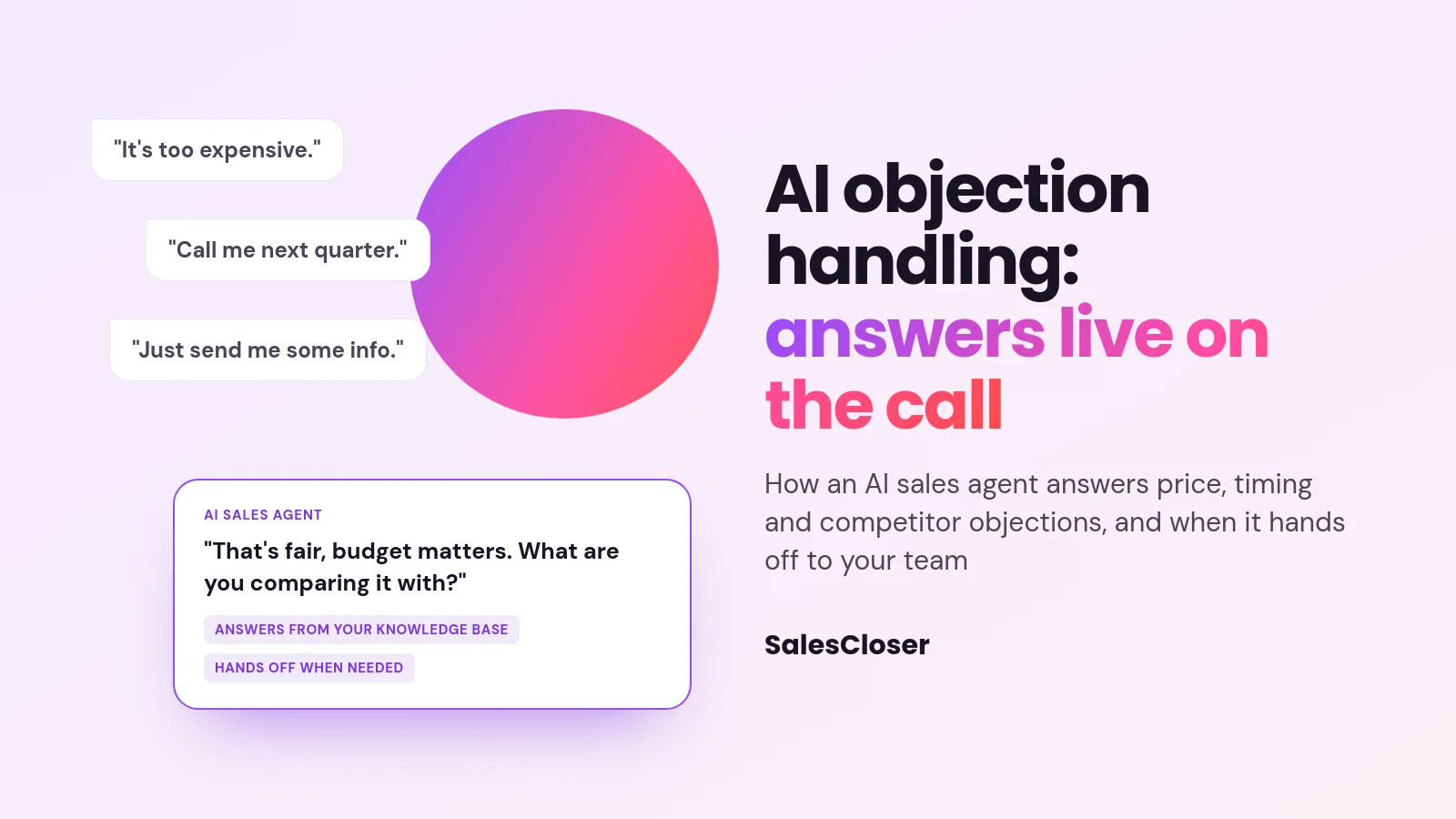
“It’s too expensive.” “Call me next quarter.” “Just send me some info.” Every sales team hears the same handful of objections, and how each one is answered decides whether the conversation keeps going. With human reps, the answer changes from rep to rep and call to call.
An AI sales agent gives every buyer the answer your best rep would give, because you write it once. It answers from the instructions and knowledge base you give it, says so when it lacks a detail, and brings in a person when the conversation goes beyond what it was set up for. Below are six common objections, what the exchange sounds like, and where a person should take over.

Six objections and how the agent answers
“It’s too expensive.”
Buyer: Honestly, this looks expensive for us.
Agent: That’s fair, budget matters. What are you comparing it with?
Buyer: Hiring a part-time assistant.
Agent: That helps. Here is what the plan covers compared with a part-time hire…
The agent explains value using only the plan details you approved and never invents a discount. Hand off when: the buyer asks for a discount, custom terms or a contract change.
“Call me next quarter.”
Buyer: This isn’t a priority until next quarter.
Agent: Makes sense. What’s taking priority right now?
Buyer: We’re rolling out a new CRM.
Agent: Would a call in early January work, once that’s settled? What day suits you?
On a phone call the agent books the callback for the time the buyer picked and calls back then. Hand off when: no handoff needed; the callback is on the calendar.
“Just send me some info.”
Buyer: Can you just email me something?
Agent: Happy to. So I send the right thing, what’s the main question it should answer?
Buyer: Whether it works with our phone system.
Agent: Good question, here’s how that works… Want a short call with our team to see it on your setup?
Answering the real question now usually beats a brochure nobody reads. Hand off when: the buyer wants a formal proposal; the request lands in the call summary and next steps.
“We already use another tool.”
Buyer: We already have something for this.
Agent: Good to know. What works well with it, and what would you change?
Buyer: It only does chat, our buyers call.
The agent then states your differences factually from the comparison notes you wrote, without knocking the other product. Hand off when: the buyer has detailed migration, integration or contract questions.
“I need to talk to my boss.”
Buyer: I’d need my director on board.
Agent: Makes sense. Would it help to book a short meeting with both of you and our team?
The agent asks who else is involved and books a meeting that includes them. Hand off when: the decision maker wants to talk to someone on your team now.
“I don’t see how it fits us.”
Buyer: I’m not sure how this would work for a clinic.
Agent: Let me show you. I’ll share a short demo on screen.
On a live web video or Zoom call, a demo agent shares your product demo video on screen and answers questions as it plays. Hand off when: the buyer needs a walkthrough of their own setup.
When a person should take over
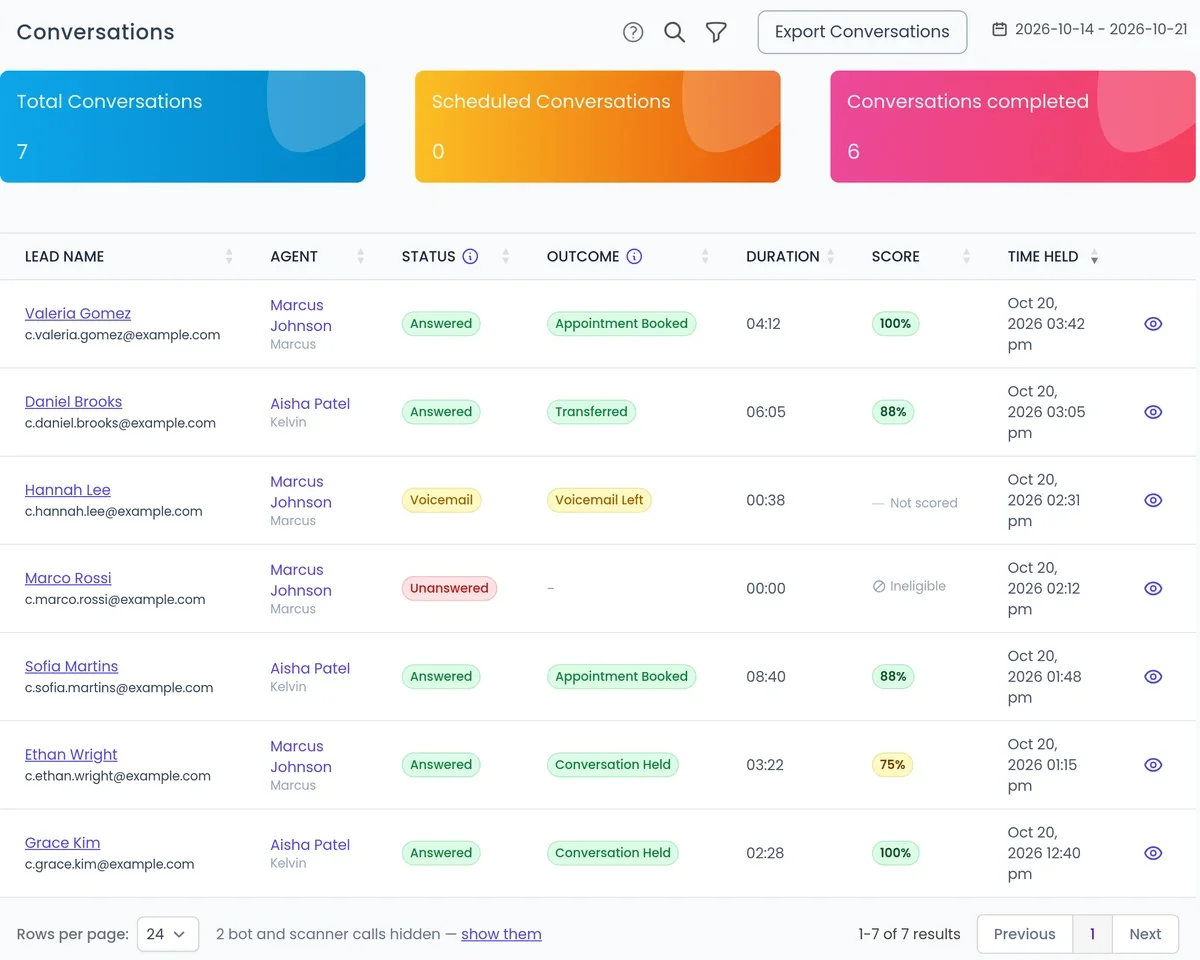
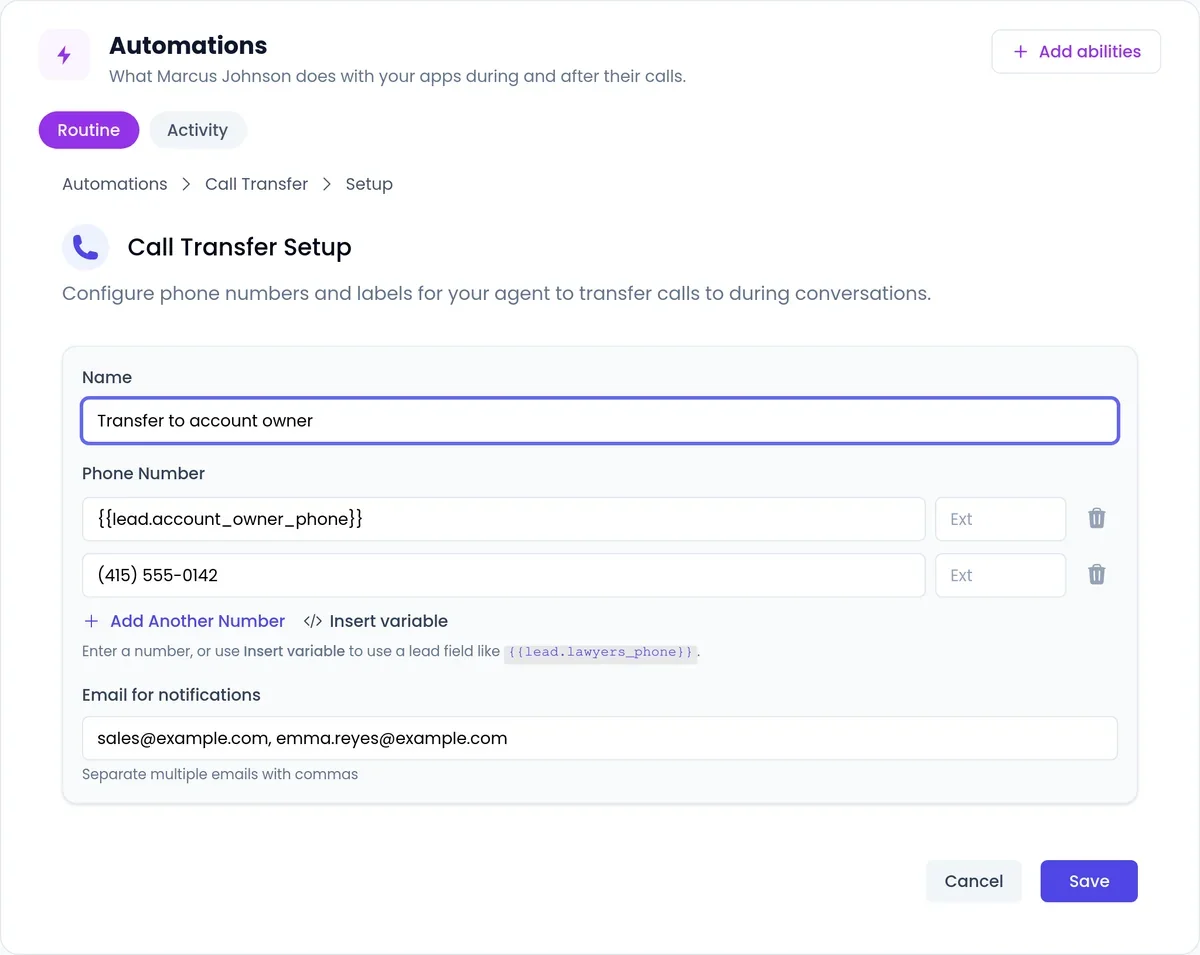
Hand off when the buyer needs something the agent should not decide, such as a discount, custom terms or a security review, when they are clearly ready to buy, or when they ask for a person. On phone calls, the agent transfers the call to your team once the buyer agrees, with fallback numbers. On web voice and video calls, reps in the Waiting Room listen in with a live summary and take over with one click through live handoff.
Example: a B2B software demo. A buyer on a web video call asks whether you can match a competitor’s annual terms. The agent says that is a question for the account team, a rep covering the Waiting Room joins with the summary on screen, and the buyer does not repeat anything.

A prompt block you can copy
You do not need anything fancy. One clear block per objection in the agent’s instructions works well:
OBJECTION: Price ("too expensive", "no budget")
1. Acknowledge: "That's fair, budget matters."
2. Ask: "What are you comparing it with?"
3. Answer only with the plan details in the knowledge base. Never offer a discount.
4. Next step: offer a short call with our team.
HAND OFF IF: they ask for a discount, custom terms or a contract.
FOLLOW UP: if they ask to talk later, book a callback at the time they choose.
Repeat it for each objection, keep every answer short enough to say out loud, and give the agent one next step per objection. For word-for-word control, prompt-based voice agents have a Scripted conversation style: the agent says your lines as written and steers back to your next question when a buyer goes off script.
What to check before you go live
- The agent is only as good as the material you give it, so put your approved pricing language and comparison notes in the knowledge base first.
- Make sure someone covers the transfer number or the Waiting Room during the hours the agent is live.
Read a sample of calls each week and add the objections you did not plan for. To hear an agent handle your toughest objection live, book a demo and bring it with you.
Frequently asked questions
Can AI agents handle sales objections?
Yes, for the objections you can predict. An AI agent handles price, timing, send-me-info, competitor and authority pushback well when you have written down how each one should be answered, and it hands off the rest to your team.
Can AI help with pricing objections?
It can acknowledge the concern, ask what the buyer is comparing against and explain value using the pricing details you approved. Discounts and custom terms should go to a person, so tell the agent to hand those off.
Can I customize objection responses for my business?
Yes. The responses come from your instructions and knowledge base, so you write them for your services, your buyers and your tone. Update them whenever reviews show a new objection.
What happens when the agent does not have an answer?
Set it up to say so rather than guess, then offer the next step you choose: a callback, a booked meeting, a transfer on a phone call or a rep joining a web call.
Can an AI voice agent handle objections during a qualification call?
Yes. Objections often come up while the agent is asking your qualifying questions. It answers, keeps the conversation going and still records the qualification answers in the call summary for your team.