
“Most sequences die after touch 2. The highest-converting outreach sequences use timing, channel mix, and personalization triggers that most reps skip.”
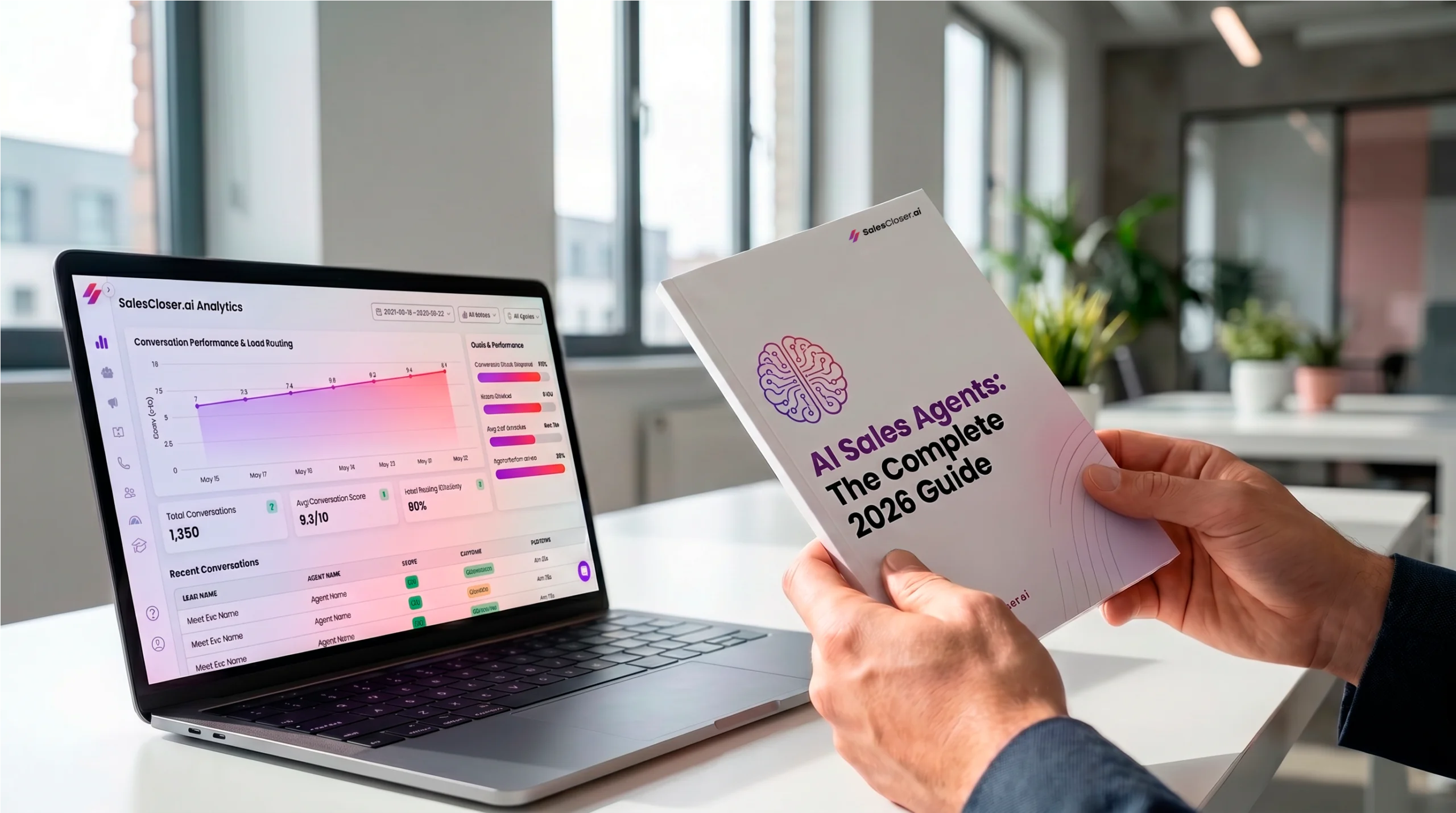
Think back to a time someone truly grabbed your attention. Was it some generic message, the kind everyone gets? Or was it something sharp, on time, and precisely what you were dealing with? That difference is huge in the world of selling, especially with other businesses. That’s where your outreach sequence steps in. It’s not just about blasting out emails and crossing your fingers. It’s a carefully planned series of steps to connect with people, build trust, and turn them into paying customers.
Let’s be real, the digital world is loud. Prospects get hit with tons of emails and calls every single day. Just winging your outreach is like shouting into a storm – you might make noise, but hitting your target is a long shot. A solid outreach sequence acts like a guided conversation, carefully leading potential customers through helpful interactions.
So, why does your outreach sequence carry so much weight? It’s about making real connections. It’s about showing you what your prospects need and offering solutions that fit. It’s about staying in touch without being a pest. And at the end of the day, it’s about turning those “maybe” leads into “yes, please” customers.
The Strength of a Plan
Picture trying to build a house with no plans. You might end up with something, but it’ll likely be messy, weak, and not what you wanted. The same goes for reaching out to potential customers. A well-thought-out outreach sequence gives you that crucial plan, guiding your interactions and ensuring no good lead slips away.
Here’s why having a plan is so important:
- Consistency: A set sequence ensures that you follow up with prospects regularly, at the correct times. This prevents leads from being forgotten and keeps your business in their minds.
- Personal Touch, Big Scale: Consistency is key, but so is making it personal. An exemplary sequence lets you add personal details at each step, making your outreach feel more human and relevant.
- Working Smart: Tools like SalesCloser AI can automate your sequences, freeing your time for more important things. You set it up once, and the system handles the initial contact and follow-ups.
- Seeing What Works: You can track each step’s performance with a structured sequence. You know what’s working and what’s not, and you can make changes based on real data to get better results.
- Keeping Them Interested: By offering something valuable at each point, a well-made sequence keeps prospects engaged and moves them closer to buying.
Building an Outreach Sequence That Works: Key Pointers
Creating a successful outreach sequence isn’t magic, but it does take some thought and effort. Here are some vital pointers to guide you:
- Know Who You’re Talking To: Research your ideal customer before writing your first email. What are their problems? What do they want to achieve? What kind of information resonates with them? The more you understand, the more targeted and effective your outreach will be. This understanding is the basis of personalized outreach.
- Outline Your Steps: Decide how many times you’ll reach out and through what channels. Will it be a series of emails? Will you include calls or LinkedIn messages? Think about how complex your product or service is and how your target customers usually make decisions.
- Make Each Touch Personal: Generic outreach rarely gets results. Take the time to personalize each message. Mention specific things about the prospect’s company, their role, or something they’ve recently done. This shows you’ve done your homework and are not just sending a mass email.
- Offer Something Useful at Every Point: Don’t just ask for a meeting in your first contact. Provide value, whether a helpful piece of content, a quick tip, or an invitation to a helpful webinar. This builds trust and positions you as someone who can help, which are cornerstones of good B2B outreach tips.
- Mix Up Your Messages: Don’t send the same email over and over with just a different subject line. Each step in your cold email sequence should offer a fresh angle, share a distinct benefit, or ask a slightly different question. This keeps your outreach interesting.
- Timing Matters: Think about the best time to reach out. When are your prospects most likely to be open to your messages? Try different days and times to see what gets the best response.
- Master the Follow-Up: Often, the sale happens in the follow-up. Many deals are closed after multiple interactions. Don’t give up after one or two emails. A well-timed follow-up email can re-engage someone who is busy or missed your first message. SalesCloser AI’s follow-up call functionalities let you easily move from email to a more personal phone call when it makes sense.
- Track and Analyze Your Results: Use analytics to see how your outreach sequence is performing. Look at open rates, click-through rates, and how many people convert. See what’s working well and what needs to be tweaked.
- Be Patient and Stick With It: Building relationships takes time. Don’t expect everyone to buy right away. Be patient, persistent, and focus on consistently providing value.
- Use Automation Wisely: Automation tools are powerful, but should help human connection, not replace it. Use tools like SalesCloser AI to handle repetitive tasks, personalize at scale, and ensure timely follow-ups, but always aim for a human touch in your interactions.
SalesCloser AI: Empowering Effective Outreach with AI Agents

In today’s rapid-fire sales environment, equipping your team with intelligent support can be a game-changer. SalesCloser AI provides sophisticated AI agents designed to supercharge your outreach sequences and drive better results. These agents work alongside your sales team, bringing intelligence and automation to every touchpoint.
AI Agents for Intelligent Email Automation:
Imagine having AI agents that craft and manage your personalized email sequences, adapting in real-time based on prospect behavior. SalesCloser AI makes this a reality. Our AI agents analyze how prospects interact with your emails – opens, clicks, replies – and dynamically adjust follow-up messages and timing to maximize engagement. This goes beyond basic email automation, ensuring your communication remains highly relevant and timely, as if a dedicated assistant were managing each interaction.
AI Agents for Seamless Follow-Up Calls:
SalesCloser AI’s AI agents also facilitate smoother transitions to phone conversations. They can analyze email engagement to identify the best moments for a call and even provide your sales team with context and talking points. The platform’s integrated calling features, guided by these AI agents, help schedule follow-ups and provide reminders, ensuring no opportunity is missed. This intelligent multi-channel approach significantly boosts your chances of connecting with prospects and building stronger relationships, a cornerstone of any successful prospecting sequence.
By leveraging the power of SalesCloser AI’s AI agents, you can create more effective and efficient email outreach strategies that feel genuinely personalized. These AI-powered assistants help you move beyond generic outreach, enabling deeper engagement with your prospects and ultimately leading to higher conversion rates and improved sales performance.
Comparing with How Others Do It
Many companies still rely on manual outreach or basic email blasts. While these might get some results, they often lack the personal touch and consistency needed for long-term success. However, industry best practices highlight the importance of structured, multi-step sequences tailored to each prospect.
Tools like Outreach.io and HubSpot offer sequence features that allow sales teams to automate and track their outreach. However, SalesCloser AI aims to go further by directly integrating AI-powered personalization and seamless follow-up call capabilities within the platform. This integrated approach can lead to smoother workflows and more impactful interactions than several separate tools.
For instance, while a standard automation tool might send a generic follow-up email after several days, SalesCloser AI could analyze how the prospect engaged with previous emails and adjust the follow-up message accordingly. Similarly, the integrated call feature removes the need to manually schedule and track phone calls, simplifying the entire lead generation process.
Building a Winning Outreach Sequence: A Step-by-Step Guide
Let’s break down how to build a high-performing outreach sequence:
Step 1: Know Your Target Audience (Again!)
This is so important, it’s worth repeating. The more specific you are about your ideal customer, the more exact your messaging will be more exact. Think about their industry, company size, job title, what problems they face, and what they want to achieve.
Step 2: Decide on Your Sequence Length and Channels
Figure out how many times you’ll reach out and how. A typical cold email sequence might involve 3-5 emails over a week or two, possibly followed by a phone call or LinkedIn connection. For warmer leads, the sequence might be shorter and more focused on setting up a meeting.
Step 3: Craft Your First Outreach Email
Your initial email should be short, personal, and focused on offering value. Avoid lengthy introductions and learn how to help the prospect solve a specific issue. Include a clear and compelling call to action (CTA), such as downloading a helpful resource or requesting a quick chat.
Example:
Subject: Addressing Your [Prospect’s Pain Point] at [Prospect’s Company]
Hi [Prospect Name],
I came across [Prospect’s Company] and noticed your work in [Prospect’s Industry/Area of Focus]. I was particularly interested in [Specific Observation about their company/work].
Many companies like yours struggle with [Prospect’s Pain Point]. We’ve helped businesses like [Similar Company] to [Quantifiable Benefit].
I’ve compiled a quick resource on [Relevant Topic] that you might find helpful: [Link to Resource].
Would a brief 15-minute chat to discuss your challenges and how we might be able to help be of interest?
Best regards,
[Your Name]
Step 4: Plan Your Follow-Up Emails
Your follow-up emails should build on your first message and offer more value. Don’t just ask for a meeting again. Share a success story, highlight a specific feature, or solve a different problem.
Example (Follow-up Email 1):
Subject: Ideas to Improve [Prospect’s Area of Focus]
Hi [Prospect Name],
Following up on my previous email, I wanted to share a specific example of how we helped [Another Similar Company] improve their [Area of Focus] by [Quantifiable Result].
They were facing a similar challenge with [Prospect’s Pain Point], and by implementing [Your Solution], they saw a significant increase in [Key Metric].
You can learn more about their success here: [Link to Case Study].
Would you be willing to have a quick call to discuss whether similar strategies could benefit [Prospect’s Company]?
Best,
[Your Name]
Example (Follow-up Email 2):
Subject: Quick Question about [Prospect’s Company]’s [Specific Initiative]
Hi [Prospect Name],
I noticed [Prospect’s Company]’s recent initiative on [Specific Initiative]. That’s a great move towards [Positive Outcome].
We help companies in the [Prospect’s Industry] achieve [Related Benefit] through [Your Solution].
I have a quick question about your approach to [Specific Aspect of the Initiative]. Would you be open to a brief exchange?
Thanks,
[Your Name]
Step 5: Add Other Channels (If It Makes Sense)
Consider adding a LinkedIn connection request or a short phone call to your sequence, especially for essential prospects. Personalize your LinkedIn message and have an apparent reason for calling. SalesCloser AI’s follow-up call functionalities can help you efficiently manage these phone outreach efforts.
Step 6: Watch and Learn
Continuously track how your outreach sequence is doing. Look at open rates, click-through rates, and replies. See which emails are working well and which ones need improvement. Use this data to improve your messaging and timing.
Avoiding Common Mistakes
Even with a good plan, there are common mistakes to watch out for:
- Being Too General: Not making it personal is a big turn-off. Always tailor your message to the specific prospect.
- Talking Only About Yourself: Your outreach should focus on the prospect’s needs and problems, not just your product or service.
- Not Offering Value: Every time you reach out, provide something valuable to the prospect.
- Being Too Pushy: Avoid aggressive sales tactics. Focus on building relationships and sharing helpful information.
- Not Following Up Consistently: Failing to follow up regularly can lead to missed opportunities.
- Ignoring the Numbers: Not tracking and analyzing your results means you can’t improve your sequences.
By being aware of these mistakes and focusing on creating personalized, valuable outreach, you can significantly improve your engagement and conversion rates.
The Future of Outreach: AI Making It Personal
The future of successful outreach involves using technology to create more personalized and efficient interactions. SalesCloser AI represents this shift by integrating AI directly into the outreach process. We can expect even more innovative tools to analyze prospects’ behavior, predict their needs, and tailor outreach in real time as AI develops.
This doesn’t mean that human connection will disappear. Instead, AI will help sales professionals focus on building stronger relationships by automating routine tasks and providing valuable insights that lead to more meaningful conversations. The key will be to find the right balance between automation and personalization, using AI to enhance, not replace, the human touch.
In short, your outreach sequence isn’t just a set of steps; it’s the core of your sales engagement strategy. By taking a structured, personalized, and value-driven approach and using powerful AI tools like SalesCloser AI, you can cut through the noise, connect with your ideal prospects, and drive significant growth for your business. So, carefully craft your sequences and watch your outreach efforts transform from a gamble to a strategic path to success.